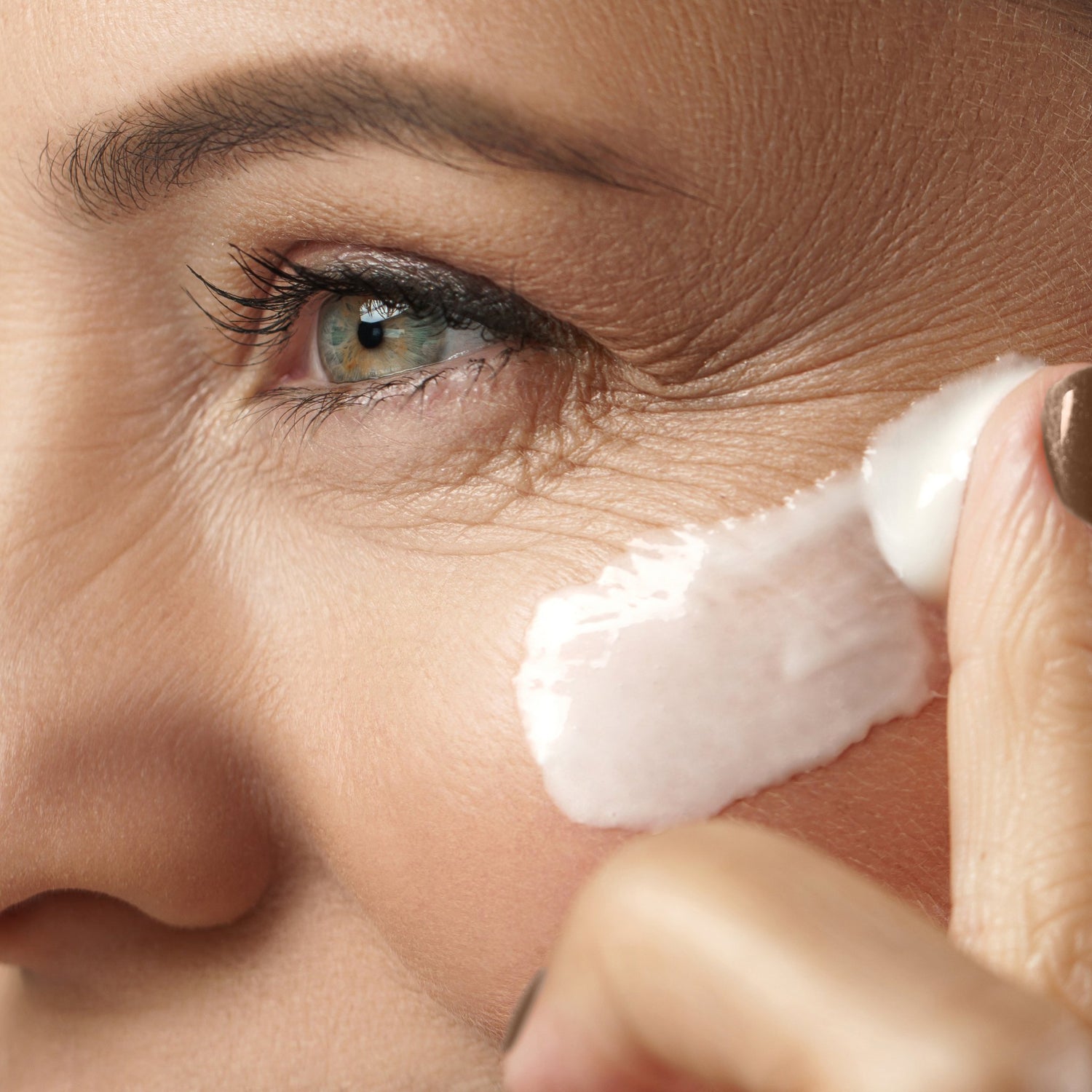
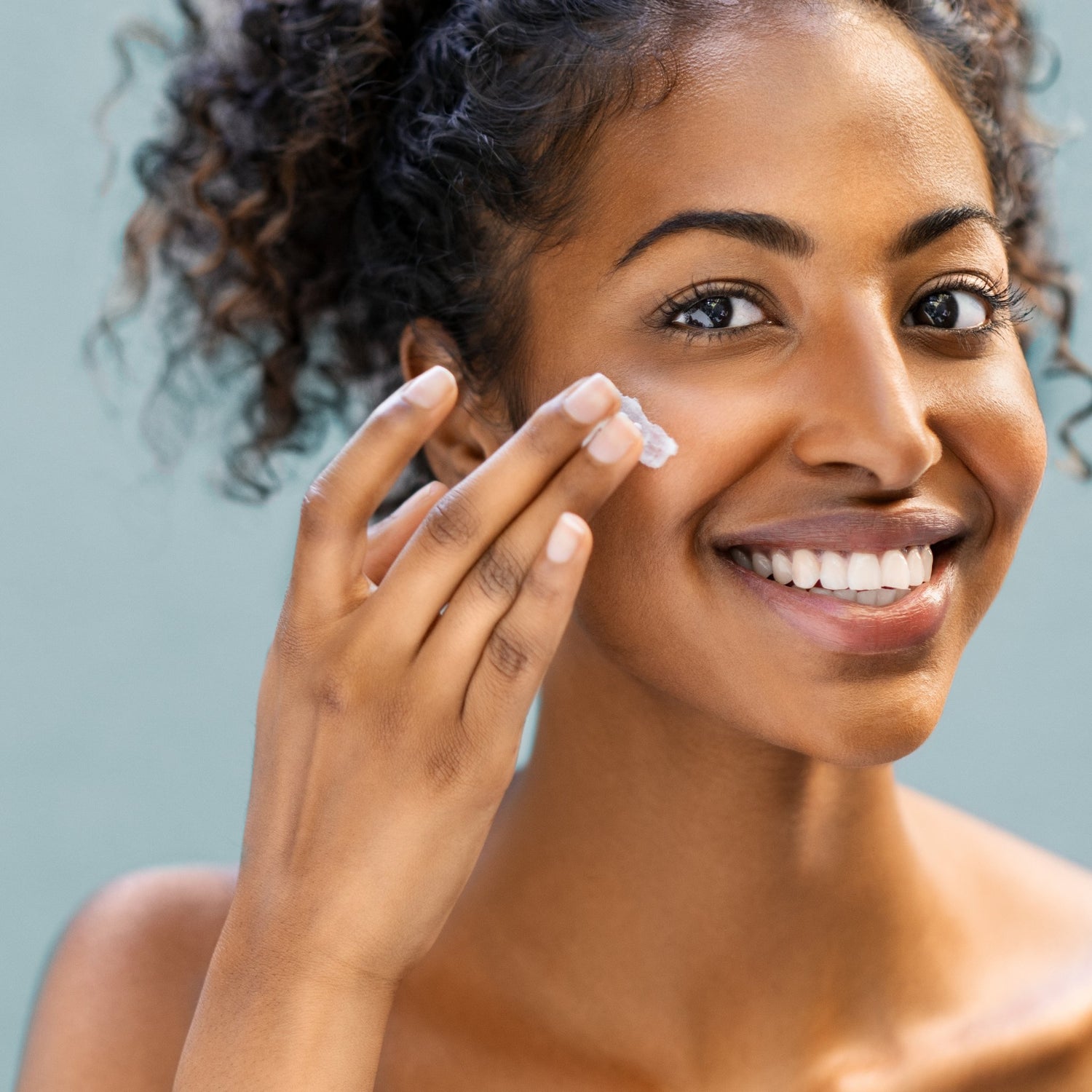
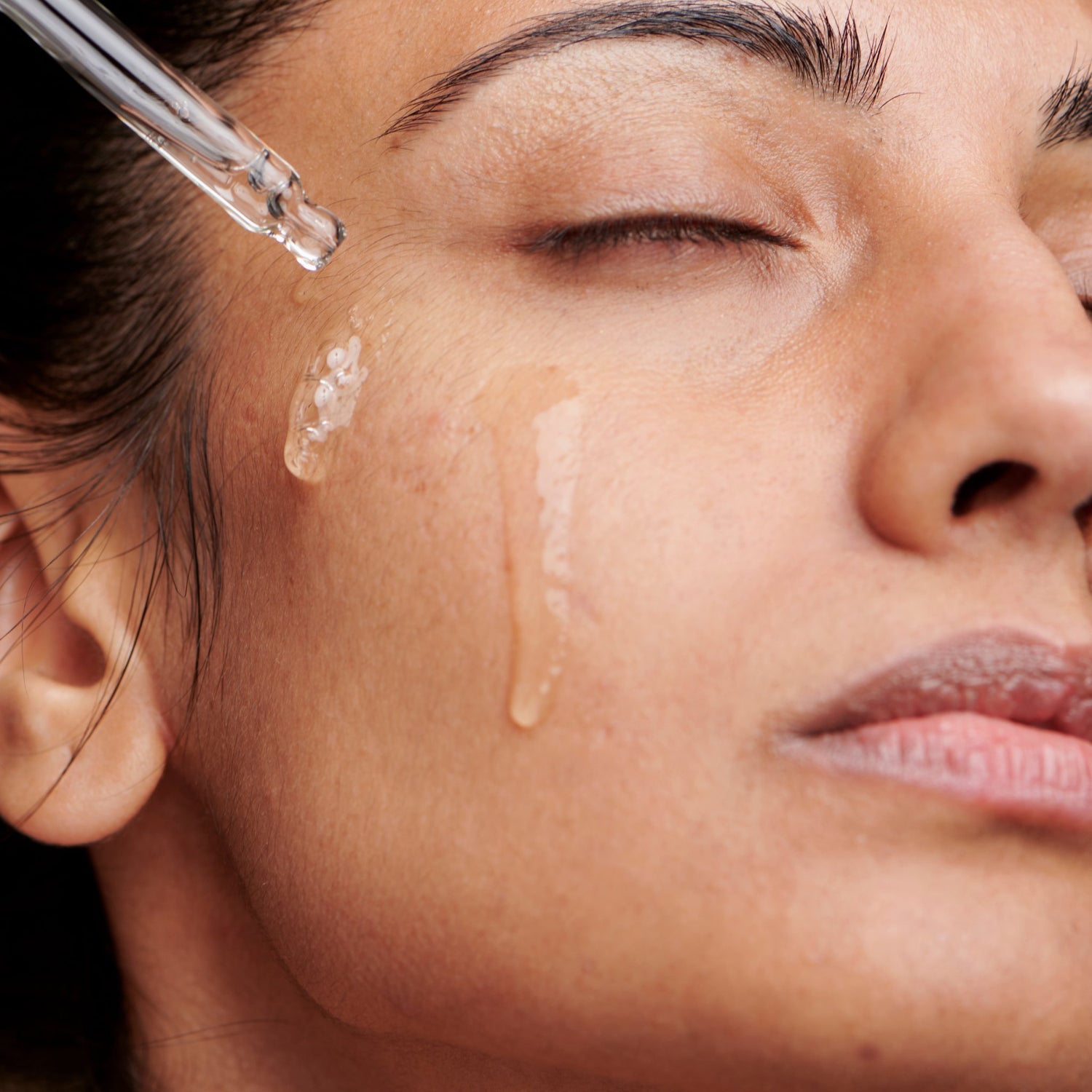
Practice owners asking "which professional moisturizers can I private label?" need a straightforward answer: Induction Therapies formulates barrier-support ceramide creams, hydrating dry-skin formulas, and lightweight anti-aging day creams entirely in-house within an FDA-inspected facility. Every order includes free label design, ingredient science built on decades of formulation expertise, and no generic drop-ship catalog sourcing.
If you run a medical spa, dermatology office, or aesthetic practice and have grown tired of selling other brands' products across your front desk, private labeling solves a concrete problem. Your patients already trust your clinical judgment. A moisturizer with your practice name on the label transforms that trust into retail revenue instead of sending profits out the door with someone else's branding.
What Private Label Moisturizers Induction Offers
Induction's lineup addresses the skin concerns you see every day in patient consultations, rather than offering a one-size-fits-all approach. The current private label face cream categories include:
- Barrier-support moisturizer with ceramide complex for compromised, dry, or post-procedure skin
- Hydrating dry-skin cream for everyday moisture replenishment
- Lightweight anti-aging day formula that absorbs quickly under makeup or sunscreen
- Sensitive-skin moisturizer formulated with minimal, gentle ingredients
All are available for private label branding. Texture and finish options vary by formula, so request samples to explore what's currently available, since formulations evolve as refinements are made.
Why Practices Choose Induction for Private Label Branding
Selecting a manufacturing partner for a product carrying your practice's name is a significant decision. Induction stands apart on several fronts:
- 30+ years of in-house formulation expertise. Induction's team developed these skincare formulas directly, not through outsourced third-party sourcing.
- FDA-inspected manufacturing facility. Every batch is produced to verifiable FDA inspection standards, giving your patients a clear answer when they ask where their branded cream is made.
- Free label and logo design. Branding shouldn't require hiring a separate design agency. Induction includes custom label design as part of every private label order.
- Proven track record. Practices have already successfully launched barrier-support and hydrating lines under their own names with Induction.
This combination of formulation depth, facility credibility, and integrated design support is difficult to find in typical private label offerings. For a broader view of how this fits into a complete retail line, Induction's private label skin care program covers more than moisturizers alone.
How Barrier Support and Hydration Work in These Formulas
Every moisturizer is built around ingredients that deliver real benefits to the skin barrier, not exaggerated claims. Understanding the basics helps you explain the product confidently to patients.
Ceramide Complex for Barrier Repair
Ceramides are lipid molecules found naturally in the outer layer of skin, where they help bind skin cells together and reduce water loss. When skin appears flaky, feels tight, or reacts easily to products, the barrier typically needs support.
A ceramide complex works alongside the skin's own fatty acids and cholesterol. Dermatology research published in the Journal of Clinical Medicine and indexed on PubMed has identified the ceramide/fatty acid/cholesterol ratio as central to healthy barrier function, particularly in dry and compromised skin repair.
Hyaluronic Acid for Hydration
Hyaluronic acid is a naturally occurring molecule in skin that holds significant water volume relative to its weight. In a moisturizer formulation, it acts as a humectant, drawing moisture to the skin's surface and creating a hydrating feel without heaviness. It pairs effectively with ceramides because it solves a different aspect of the same problem: ceramides lock moisture in, while hyaluronic acid brings moisture to the surface.
Texture Options for Different Use Cases
Not every patient wants the same feel. A lightweight day formula absorbs quickly and layers seamlessly under sunscreen or makeup, while a richer barrier-repair cream suits overnight use or skin needing intensive support. Both typically contain squalane (which mimics the skin's natural oils) and panthenol (vitamin B5, which promotes a calm, soothed feeling).
Matching Formulas to Patient Skin Needs
A simple framework helps you decide which private label barrier cream to launch first:
- Dry or flaky skin typically responds well to a barrier-support ceramide formula.
- Sensitive skin or post-procedure needs call for a ceramide complex built with minimal, gentle ingredients.
- Aging concerns with daily wear fit a lightweight anti-aging day cream that layers easily under sunscreen.
- General dehydration without barrier compromise pairs well with a hydrating dry-skin cream centered on hyaluronic acid.
Clinical judgment for individual patients remains with you. This framework simply helps a practice owner prioritize which formula to private label first.
How Branding and Customization Work
Private labeling succeeds when the packaging reflects the quality of the formula inside. Induction includes custom label design at no additional cost, so you're not limited to generic stickers or expensive outside design services.
Two approaches are available:
- Select an existing formula from the moisturizer range and add your practice label, logo, and product name.
- Request formula adjustments through a creative brief if you want changes to texture, scent-free options, or positioning for a particular patient population.
Either approach preserves the formulation science (the ceramide complex, the barrier-support ingredients, the active ratios) while making the branding entirely yours. For deeper insight into the ingredient science, Induction's barrier repair resource details how these formulas are constructed.
If you're also interested in body care alongside facial moisturizers, Induction's private label lotions follow the same branding process. When comparing options, note that private label typically means your brand on an existing or lightly customized formula, while white label usually refers to an unbranded formula any retailer can rebrand without exclusivity.
The Four-Step Process to Launch
Getting a private label face cream to your shelf follows a clear path:
- Submit a creative brief. Describe the skin concerns you want to address, your branding preferences, and any texture requests.
- Formulation matching. Induction matches your brief to an existing formula or outlines customization options, so you know exactly what you're ordering before production begins.
- Approve label and branding. Review and approve your custom label design, logo placement, and product name.
- Production and delivery. Your private label anti aging cream is manufactured in an FDA-inspected facility and prepared for shipment to your practice.
Ready to explore the process? Submit a creative brief and request samples to evaluate the formulas firsthand before committing to a full order.
Frequently Asked Questions
What textures are available for private label moisturizers?
Current options include lightweight day formulas, richer barrier-repair creams, and gel-leaning hydrating textures. Request samples to see current availability, as options evolve with formula refinements.
Are these medical grade moisturizers suitable for sensitive or post-procedure skin?
The ceramide complex and sensitive-skin formulas prioritize barrier support and gentle ingredients, making them appropriate for sensitive or recently treated skin. Any post-procedure skincare decision for a specific patient should come from the treating practitioner.
What's included with every private label order?
Free custom label and logo design comes with every private label moisturizer order, along with formulation matching and production in an FDA-inspected facility.
How do I start?
Submit a creative brief describing your practice's branding goals and the skin concerns you want to address. Induction will match your brief to a formula and guide you through label approval and production.
What's the difference between private label and white label?
Private label means your brand goes on a formula customized to your specifications, giving your practice more control over positioning. White label typically refers to a standard formula available to multiple retailers without customization. Induction's private label skin care program is built on the private label model for greater flexibility.